家有儿女
New archives on notorious Unit 731 reveal Japanese military’s cover-up of biological warfare_我的网站

A | 新华社北京8月25日电(记者王镜宇、曹奕博)在刚刚落幕的国际篮联U18男篮亚洲杯中,中国队在决赛惜败于澳大利亚队,获得亚军,取得自2014年夺冠以来的最好成绩。主教练王建军接受新华社记者专访时表示,球队取得这个成绩靠的是拼作风、重团队,亚洲杯亚军只是一个开始,明年的U19世界杯才是真正的考验。中国队在本届亚洲杯取得5胜1负的成绩,对澳大利亚队的决赛也打得相当激烈,最终以10分的差距落败,与去年U16亚洲杯决赛输给澳大利亚队27分相比,进步明显。王建军表示,从小组赛到淘汰赛,队员们始终保持着顽强拼搏的作风,展现了良好的团队协作精神。“这是最可喜的,不管面对什么样的对手,大家的团队协作意识都值得肯定。
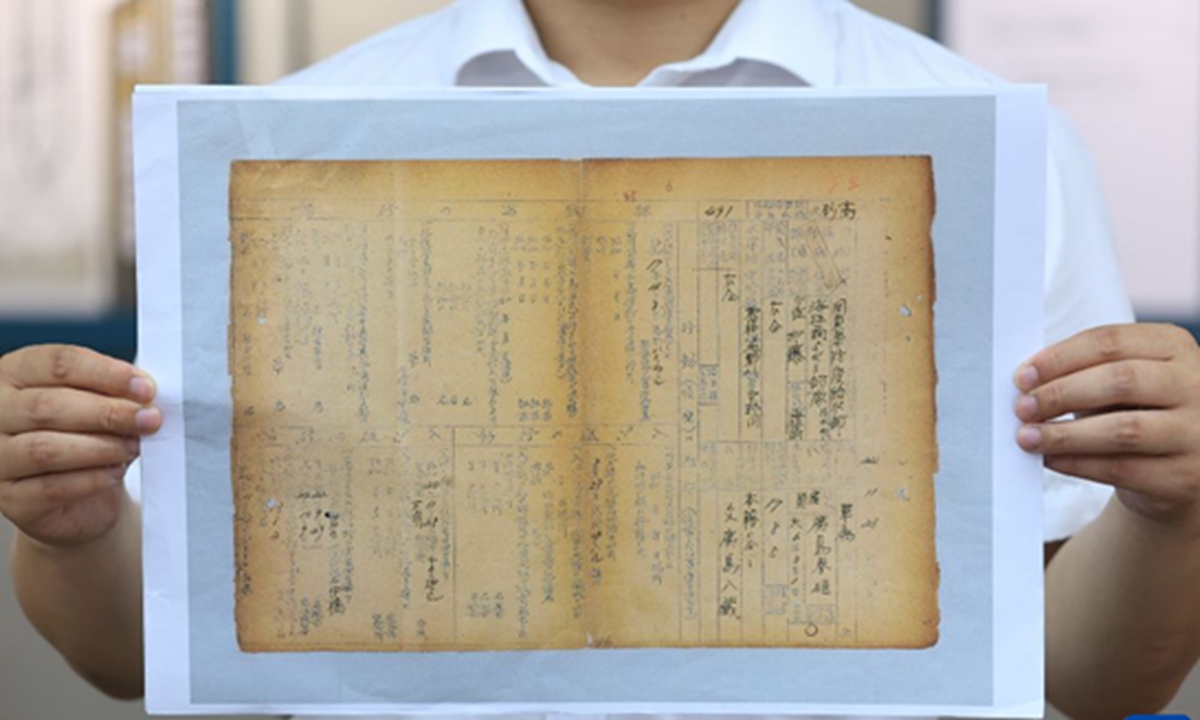
Newly released wartime records from the Hailar branch of Japan's notorious Unit 731 reveal how the Japanese military disguised biological warfare personnel as conventional infantry troops to conceal secret operations, including human experimentation.
The Exhibition Hall of Evidences of Crime Committed by Unit 731 of the Japanese Imperial Army released on Wednesday a 185-page archive of "personal background declaration" from the Hailar branch of Unit 731, also known as "Manchuria Unit 543". The documents show that the Japanese military concealed its biological warfare operations under the guise of conventional infantry units and shed new light on the Soviet Union's continued efforts after World War II to investigate and prosecute Japanese biological warfare crimes.
Unit 731 was a top-secret biological and chemical warfare research base established as the nerve center for Japanese biological warfare in China and Southeast Asia during WWII. At least 3,000 people were used in human experiments conducted by Unit 731, and more than 300,000 people in China were killed by Japan's biological weapons, according to the Xinhua News Agency.
The Japanese Kwantung Army established five branches of Unit 731 in Northeast China - in Hailar, Sunwu, Mudanjiang, Linkou and Dalian. Located in the northeastern part of the Inner Mongolia Autonomous Region, near China's borders with Mongolia and the Soviet Union, the Hailar branch served as a frontline base of the Japanese imperialist army for potential biological warfare operations against the Soviet Union.
The newly released 185-page archive contains key information on 156 members of the Hailar branch of Unit 731, including their names, military ranks, dates of enlistment, duties, transfers and postwar whereabouts. Researchers said the documents constitute first-hand official records for studying the branch's personnel structure and operations.
Jin Shicheng, a researcher at the Exhibition Hall, said the study produced two major findings. First, the documents reveal that the Japanese military recruited personnel under the cover of ordinary infantry units to conceal biological warfare activities. Some personnel, for example, were recruited under the names of conventional units such as Manchuria Unit 97, Unit 177 and Unit 201. They were then sent to Unit 731 headquarters for three months of training before being assigned to the Hailar branch. The deceptive recruitment system was intended to conceal the crimes committed by Unit 731, including human experimentation.
Moreover, the archive provides evidence of continued postwar investigations into Japanese biological warfare crimes. Of the 156 personnel listed in the documents, 145 were captured by Soviet forces after the war and detained in the Soviet Union. Four were tried in Khabarovsk between April and September 1950. The researcher said the records show that Soviet investigations and judicial efforts concerning Japanese biological warfare crimes continued after the trial held in 1949.
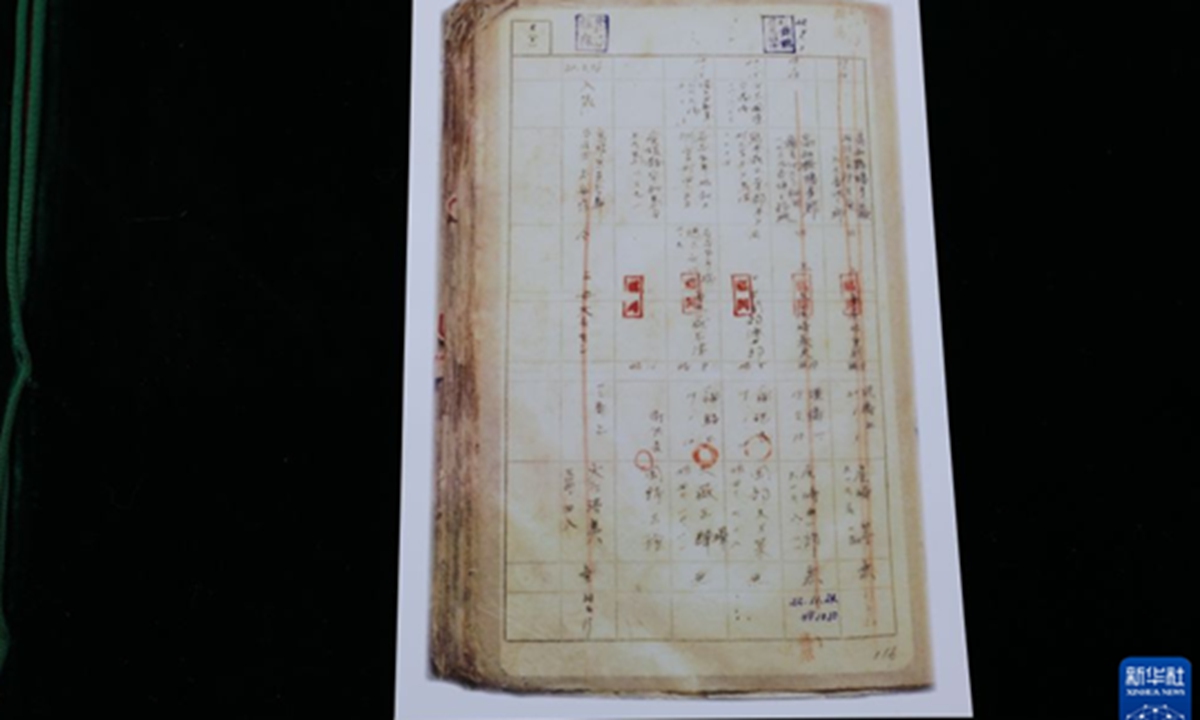
A photo published by Xinhua showed a record on medic Tanizaki Hitoshi in the "personal background declaration" records of Unit 731's Hailar branch. Tanizaki, originally named Ozaki Hitoshi, is documented in historical records that, together with his oral testimony, form a chain of evidence further substantiating the crimes committed by Unit 731.
Experts said the new revelation of the Hailar branch deepens research into Unit 731 and, together with previously obtained oral testimony from former members, form a broader chain of evidence. The official records exposed the efforts by the Japanese military to disguise their crimes against humanity and provided further evidence of the state-organized system behind Japan's biological warfare program, while adding important material to research on Unit 731 and postwar prosecutions.
Global Times
。教练组也很团结,外教、国内教练各负其责,团结得像一个人在战斗。赛场上大家相互提醒,对队员的思想工作也做得比较到位,这种团队配合是取得亚军的重要保障。”本届赛事中,中国队12名球员的场均出场时间大多在10分钟以上,得分最少的几名球员场均也有5分左右进账。全队始终秉承团队篮球的打法,赛事排名第一的27次场均助攻也从侧面印证了这一点。王建军说:“这在历届比赛中都是比较难得的,说明大家还是以团队协作为核心,队伍的表现并不依赖于某一个人的发挥。不过,这也说明队员们的表现还不稳定,年轻队员状态出现起伏也属正常。”篮板球是中国队目前和强队交手的“生命线”。王建军说,半决赛险胜新西兰队,关键在于篮板球占优,这在以往与大洋洲或欧美强队交手时并不多见。最后决赛输给澳大利亚队,则跟篮板球大幅落后有直接关系。

B | “跟这些强队打,篮板球要抢过他们、至少持平才有赢球机会。决赛对手在身高、臂展等静态天赋上确实更优秀,而我们的队员们在用积极的身体对抗和拼搏精神去弥补差距。这支队伍在年龄和身体对抗上与对手存在一定差距,后续需要通过身体训练来继续加强。”这次U18亚洲杯的参赛阵容中,5人参加过去年的U16亚洲杯,6人参加了前不久的U17世界杯。王建军表示,这两支队伍能够比较快速地衔接和成形,得益于国家队战术体系的“一体化建设”。“U17、U18这两支队伍的训练是贯通的,进攻、防守体系一脉相承,所以球员们能够更好地‘即插即用’。两支队伍的很多技战术配合、防守体系,包括反击等战术套路,跟郭士强指导率领的国家队也是保持一致的。在王建军看来,这次球队能够取得较好成绩,跟高质量的国际热身赛是分不开的。

C | 在约8个月的集训中,U17、U18男篮打了不少高水平比赛,其中包括在德国曼海姆参加的邀请赛(U17跨级对阵U18年龄段队伍)和在美国的拉练。他说:“只有在高频次、高强度、高压迫的实战环境中,年轻队员才能真正提升在紧逼防守下的技战术执行力,不会对手一上强度就不知道怎么办,不会一高压就出现失误。这些高水平比赛对我们缩小与强队的差距非常有帮助。”在现在这支队伍中,16、17、18岁的球员都有。

D | 王建军认为,这些年轻球员有很大的提升空间,但对他们也需要耐心和包容,希望外界能够客观评价他们、给予正向引导。“他们未来会是中国篮球的希望。但是,揠苗助长的事情我们不能做。

E | 要符合运动员的成长规律,给他们高水平的训练和比赛机会。既要鼓励,也不能捧杀。指出问题、让他们清醒定位,比一味吹捧更好。这支队伍没有‘个人’,只有‘团队’。

F | 只有在踏实投入训练的氛围中,他们才能健康发展,我们才能为国家队储备更多后备人才。”下一场大考,是明年的U19世界杯。

G | 王建军表示,队伍将以学习者的姿态,按部就班进行备战。在人员方面,队伍将以现有12人为班底,同时考察国内其他优秀适龄球员,而一切要以适配球队的战术体系为前提。“亚洲杯亚军只是一个开始,U19世界杯才是真正的考验。”他说,“U19世界杯的球员基本等同于成年人的水平,对抗强度和比赛质量极高,我们会以‘学习者’的姿态去迎接挑战。”(新华社)。
Current article:http://9uw083.licuqiangraosuiheizhua.pics/2gbo9j/20260826/4278.html
Published on:12:01:59