
{主关键词}
一拳超人
[거제소식] 전국해양스포츠제전 최종 취소 결정 등_我的网站

A | [거제=뉴시스] 신정철 기자= 오는 27일부터 30일까지 거제시 일운면 일원에서 개최 예정이었던 제18회 전국해양스포츠제전이 집중호우 피해 영향으로 최종 취소가 결정됐다.사진은 제18회 전국해양스포츠제전 포스터.(사진=뉴시스DB).2026.08.26. [email protected][거제=뉴시스] 신정철 기자 = 경남 거제시는 오는 27~30일 시 일운면 일원에서 개최 예정이었던 제18회 전국해양스포츠제전이 주관부서인 해양수산부가 지난 25일 최종 취소를 결정했다고 밝혔다.시는 지난 18일 집중호우 피해 상황과 대회 개최 여건 등을 종합적으로 검토해 해수부와 경남도에 대회 취소를 건의했으며, 해수부의 최종 승인을 거쳐 취소가 확정됐다.거제시는 지난 15~ 18일 거제 지역의 극한 호우로 거제시 전역이 피해를 입은 상황에서 이번 결정은 불가피했고, 시민들의 일상 회복을 최우선에 두고 관련 후속 조치를 차질없이 추진하겠다는 방침이다.◇거제시체육회·구례군체육회, 둔덕면 수해 복구 현장서 '구슬땀' 거제시체육회와 자매결연도시인 전북 구례군체육회가 최근 집중호우로 큰 어려움을 겪고 있는 거제시 수해 현장을 찾아 구슬땀을 흘리며 복구를 도왔다.거제시체육회와 구례군체육회는 지난 24일 수해 피해가 심각한 거제시 둔덕면 일대 농가에서 합동 수해 복구 자원봉사 활동을 진행했다. [거제=뉴시스] 신정철 기자= 거제시체육회와 자매결연도시인 전북 구례군체육회가 최근 집중호우로 큰 어려움을 겪고 있는 거제시 수해 현장을 찾아 구슬땀을 흘리며 훈훈한 연대의 정을 나눴다.사진은 지난 24일 거제시 둔덕면 일대 포도 농가에서 수해 복구 자원봉사 활동 모습.(사진=거제시 제공).2026.08.26. [email protected] *재판매 및 DB 금지이날 현장에는 거제시체육회 김환중 회장을 비롯해 부회장단, 이사진, 종목별 회장, 거제시 18개 면·동 체육회장 및 임직원들이 참여해 피해 복구에 총력을 기울였다.。
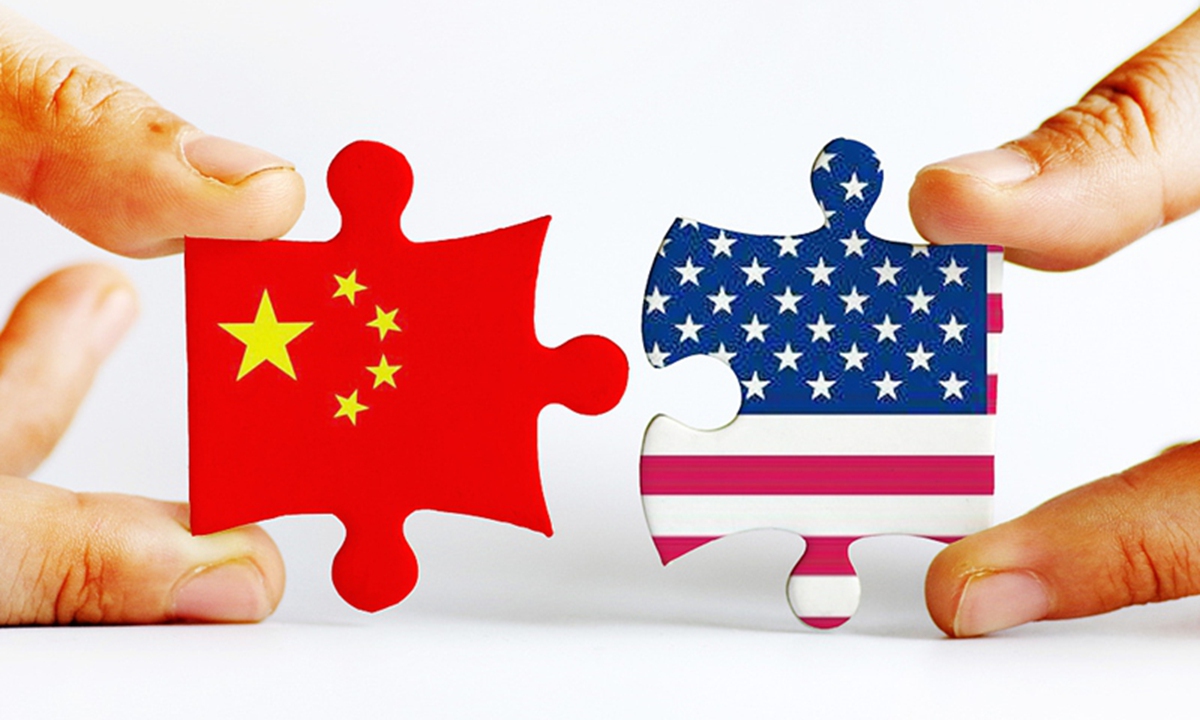
The proposed Office of Management and Budget (OMB) rule, set to take effect in December, would mark one of the biggest overhauls of US science funding in decades, giving political appointees greater authority over grant awards previously guided by scientific peer review and requiring that they "advance the President's policy priorities," according to the Washington Post.
It would also effectively expand the 2011 Wolf Amendment, which bars scientists from using NASA funding for bilateral collaborations with China, to all federal agencies and scientists receiving federal funds, marking the largest break in US-China scientific engagement in decades, the US media outlet reported.
So far, the proposed rule has garnered nearly half a million public comments, many from scientists and leading US science bodies. A Washington Post analysis of 50,000 of those comments found that around 88 percent were negative.
The rule, initially set to take effect in October, was pushed back to December after a bipartisan stopgap funding bill temporarily halted its adoption. Unlike the Wolf Amendment, the rule does not require congressional approval to take effect.
"I do think there are still members of Congress who think we have a monopoly on knowledge. They think we're still in the Cold War Soviet era ... where we were ahead in most areas of science and technology. That is not the case with China. We are no longer the leader in many areas of science," said Tobin Smith, senior vice president for government relations and public policy at the Association for American Universities, which advocates on behalf of leading US research universities, per the Washington Post.
Scientists warn that the rule risks subjecting long-term scientific research to four-year political cycles. "We will not succeed if with every new administration we are ping-ponging back and forth about priorities," the American Association for the Advancement of Science said in a blistering comment, urging the administration to withdraw the rule. "Fast-tracking such profound changes ... hands an easy victory to nations like China," it said, the Washington Post reported.
This reflects a fundamental divide between the US government and the scientific community over how science should develop, Wang Yiwei, a professor at Renmin University of China's School of International Studies, told the Global Times. He noted that politicians tend to believe that suppressing China as a competitor would allow the US to preserve its market dominance and technological edge.
Scientists, however, tend to follow a different logic, as scientific progress depends on openness, exchanges and collaboration. If science and technology are driven solely by competition and private capital, with the ultimate goal of maintaining technological monopolies, this could create greater risks and ultimately undermine US interests as well, Wang said.
The proposed rule change is the latest salvo in a broader battle in Washington over how to respond to China's rise as a scientific superpower. In July, the US National Science Foundation (NSF) also moved to ban collaborations between scientist it funds and many Chinese research institutions and their employees, according to Science magazine.
Liu Shaoshan, director of the Center for Embodied AI at the Shenzhen Institute of Artificial Intelligence and Robotics for Society and a former US-based researcher, told the Global Times in a previous interview that the NSF's new proposed rules created a "talent wall," arguing that restrictions based on nationality, institutional affiliation, and research partnerships could reduce the global talent pool available to the US, weaken its ability to attract leading scientists, and slow scientific innovation.
Liu also said scientific advancement relies not only on discovery but also on the exchange, validation, and dissemination of knowledge.
Wang also said China has built significant strengths through its vast pool of scientists and engineers, complete industrial chains and massive application scenarios, while increasingly moving from application-oriented innovation toward original research. Against this backdrop, US technological blockades and restrictions on cooperation are unlikely to halt China's progress, but could instead isolate American scientists from China's latest research and collaboration opportunities. Such an approach could also prevent the two countries from leveraging their respective strengths and ultimately undermine US competitiveness, Wang said.
。
Current article:http://9uw083.licuqiangraosuiheizhua.pics/news/20260826_1664.html
Published on:22:30:01
- 259812孙颖莎专属定制歌曲《莎啦啦》上线,登音乐平台巅峰潮流榜TOP1;超5万人支持,1万人在线收听
- 10491【品种策略】棉花:08月26日多家期货公司晨报观点汇总
- 912《天堂》开发商新作《Like or Die》首爆 实机视频放出
- 732050[속보] "장씨 최초 실종 112신고 녹음파일 확보 못 해…당시 수색 우선"
- 2504357WNBA常规赛前瞻:纽约自由VS洛杉矶火花
- 4685429新易盛:2026年半年度净利润同比增长90.98%
- 9592一张图看懂华为辅助驾驶系统里谁是“顶配”?谁更“亲民”!
- 5962四川“天府号”数字平台助力跨境公路运输时效缩短35%,四川“天府号”数字平台助力跨境公路运输时效缩短35%
- 201《洛克人》新作预告:2027年发售 联动卡普空"小萝莉"
- 44629년 세월의 마지막 운행
- 642飞利浦推出了一款49英寸弧形丝带鱼屏:配备了Windows Hello摄像头
- 722直播海报:“赛考斯”回洛阳 老同事机场相迎
- 480“中国机器人技术处于世界前沿,其他国家没有这样的水平”
- 39073Windows是AI PC路上的绊脚石
- 144099美国指责中方向俄提供武器制造材料,外交部:不接受甩锅推责
- 7014俄罗斯总统普京即将访华,作为国家领导人,他的专机和专车有多牛?
- 363409新西兰正式宣布“禁枪令修正法案”:全面打击黑帮犯罪
- 268533【观点】申银万国:蛋白粕远月价格有支撑,美豆优良率下降及进口成本抬升
- 8883Nato to boost Ukraine's missile defence
- 220A股关键节点 券商股“倍量”异动!有何深意?
- 3655686因 GTA6 泄密被 Take-Two 发传票点名,相关 YouTuber 坚称自己清白
- 535"Furnace city" emerges as "coolcation" magnet for global travelers
我的网站热门国内
- Copyright @ 2016-2017 我的网站 版权所有